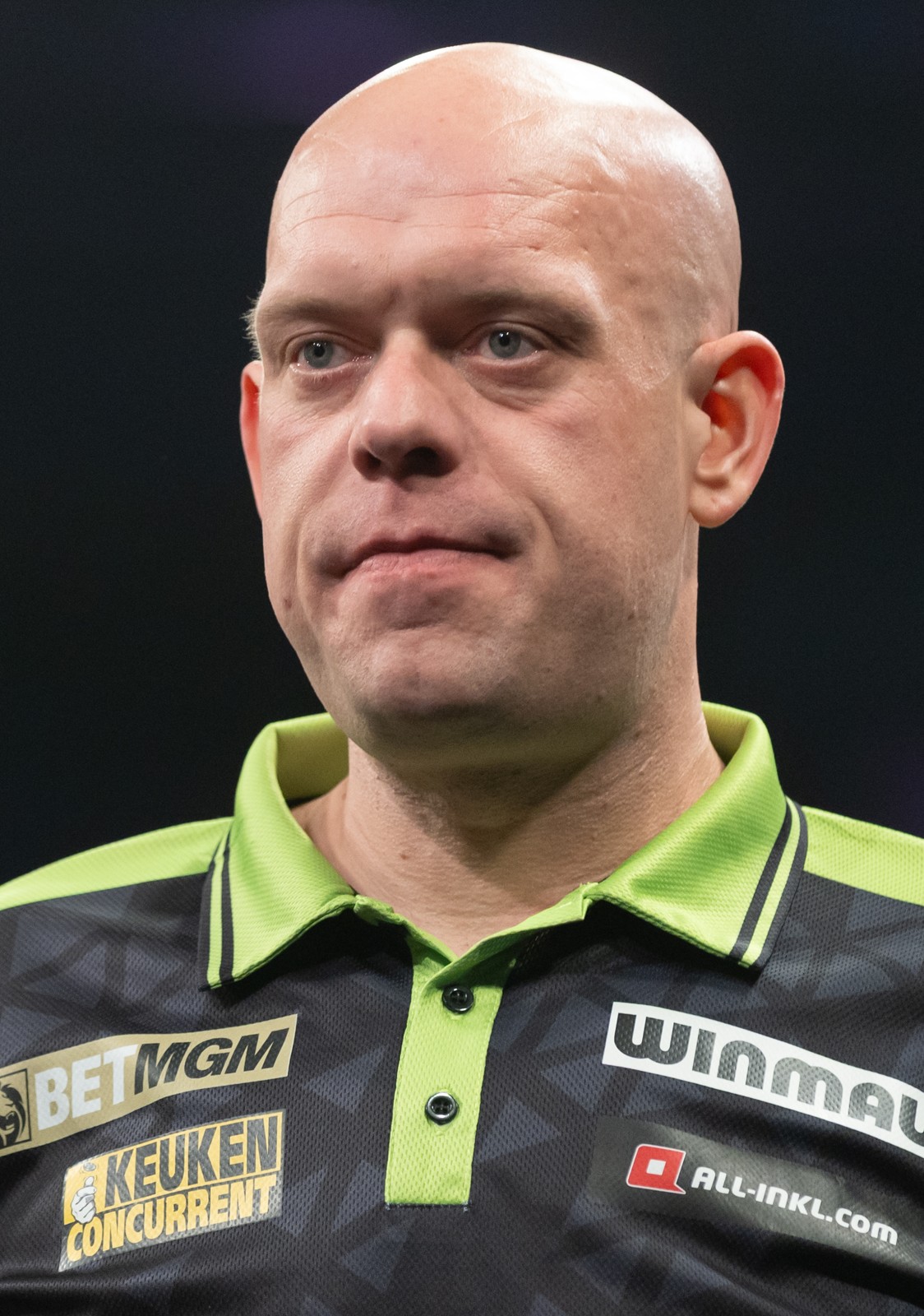
Wessel Nijman suffered a painful first-round defeat at the European Championship on Friday evening, losing 6-5 to German crowd favourite Martin Schindler in Dortmund after fighting back impressively from 3-0 down. The Dutchman was left ruing missed chances and was mainly critical of himself in an interview with Viaplay, admitting he felt he could have won if he had taken his opportunities.
Nijman made a slow start as Schindler quickly opened up a 3-0 lead, with the second leg proving particularly costly as the Dutchman missed six darts at a double. "The start of the match simply wasn't good," Nijman said. "I fell behind unnecessarily because I just wasn't switched on at the start." He then managed to regroup, winning three legs in a row to level the match. "After that, I think it was a 50-50 match. But if it had been 50-50 from the start, I probably would have won. I think the legs I won were good, and the ones I lost weren't so good. It just wasn't meant to be."
Despite missing six doubles in the second leg, Nijman continued to believe he could turn the match around, saying the missed chances did not stay on his mind for long. "No, not really. I still felt the match wasn't over." A brilliant 127 checkout gave him another boost. "I took out 127 and started smiling. I thought: if I just play normally from now on, things are more likely to go my way than his." However, Schindler kept responding strongly whenever Nijman looked set to seize control. "But I think I make it 4-3, and then he opens with two 180s, or a 177 or something. It's frustrating."
Nijman still had a chance to win in the deciding 11th leg, reducing his score to 72, but then watched Schindler take out 80. "When things have gone against you all match, and he goes right and then left, you think to yourself: that's bound to go in. And, well, it does." Nijman stressed that nerves had not been a major issue, but found the manner of his exit particularly painful. "It's obviously a bitter pill to swallow."
Even so, he refused to blame bad luck or his opponent, feeling he had been given enough chances to take control. "In the end, he deserved to win because I missed my chances. If I'd taken them, it probably would have been a convincing win for me." The Dutchman ended his analysis with a blunt verdict on his own performance: "It's entirely my own fault, because I didn't get the job done."